Interview with Özlem Süer | Fabric, Design, and Transformation
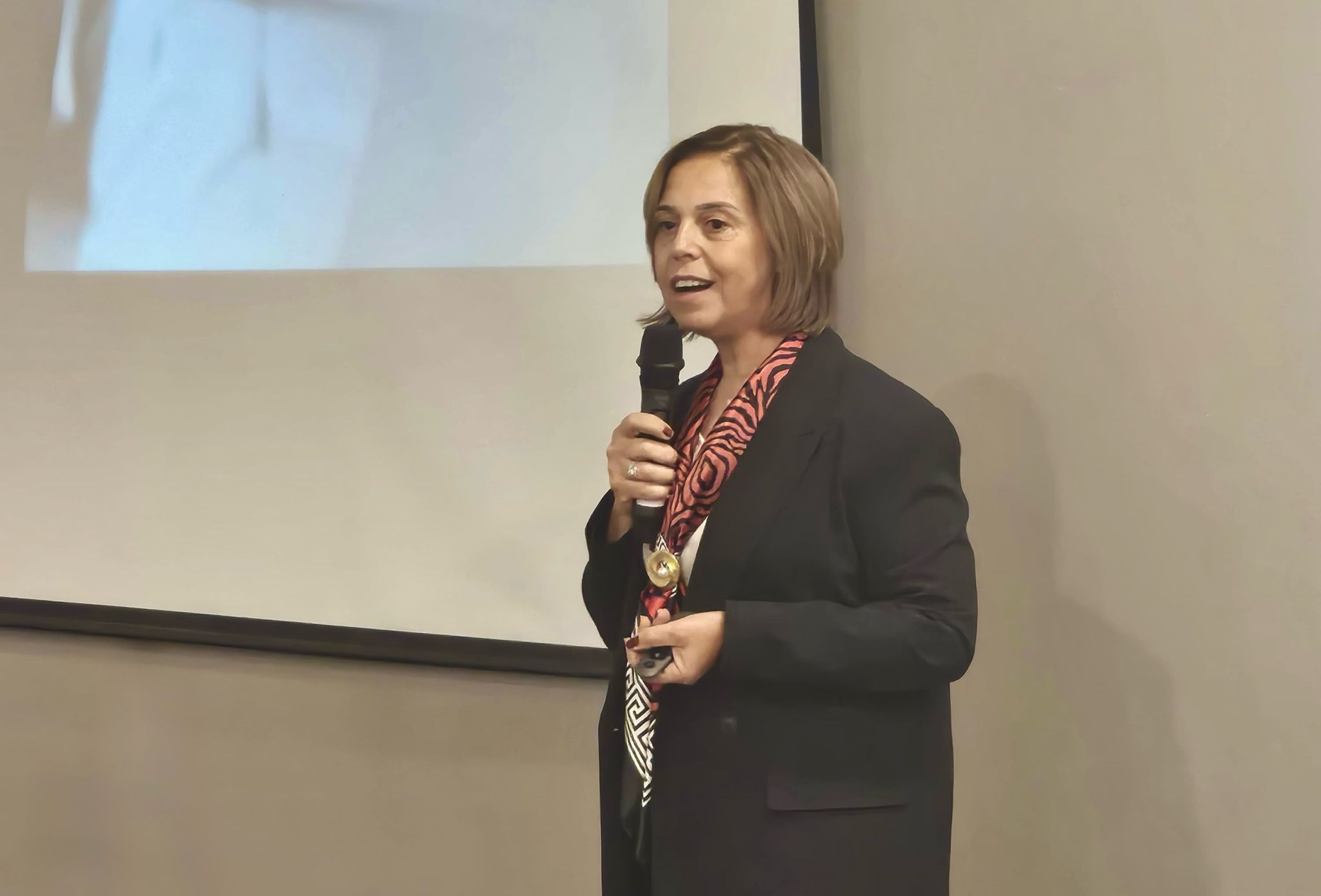
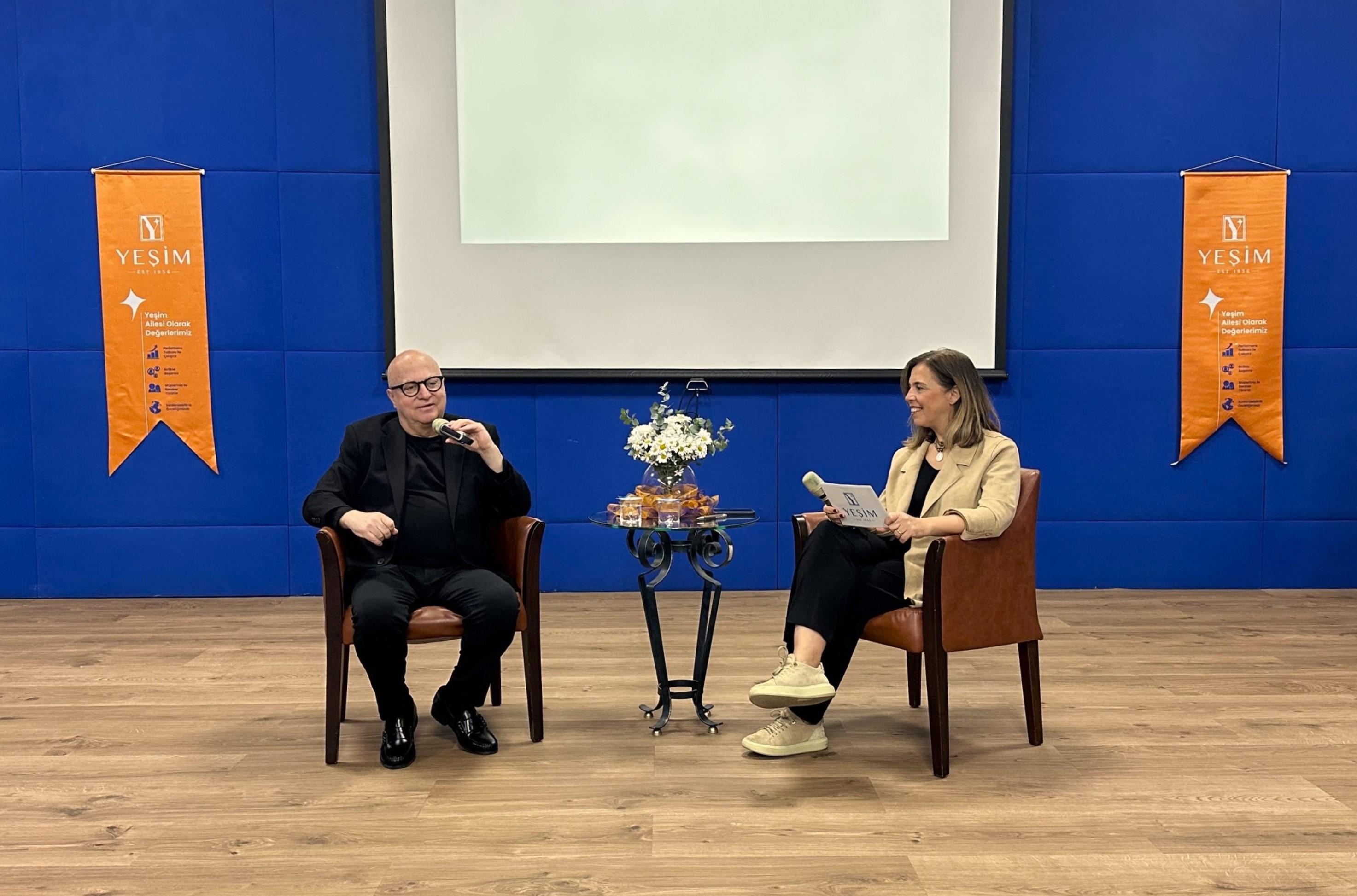
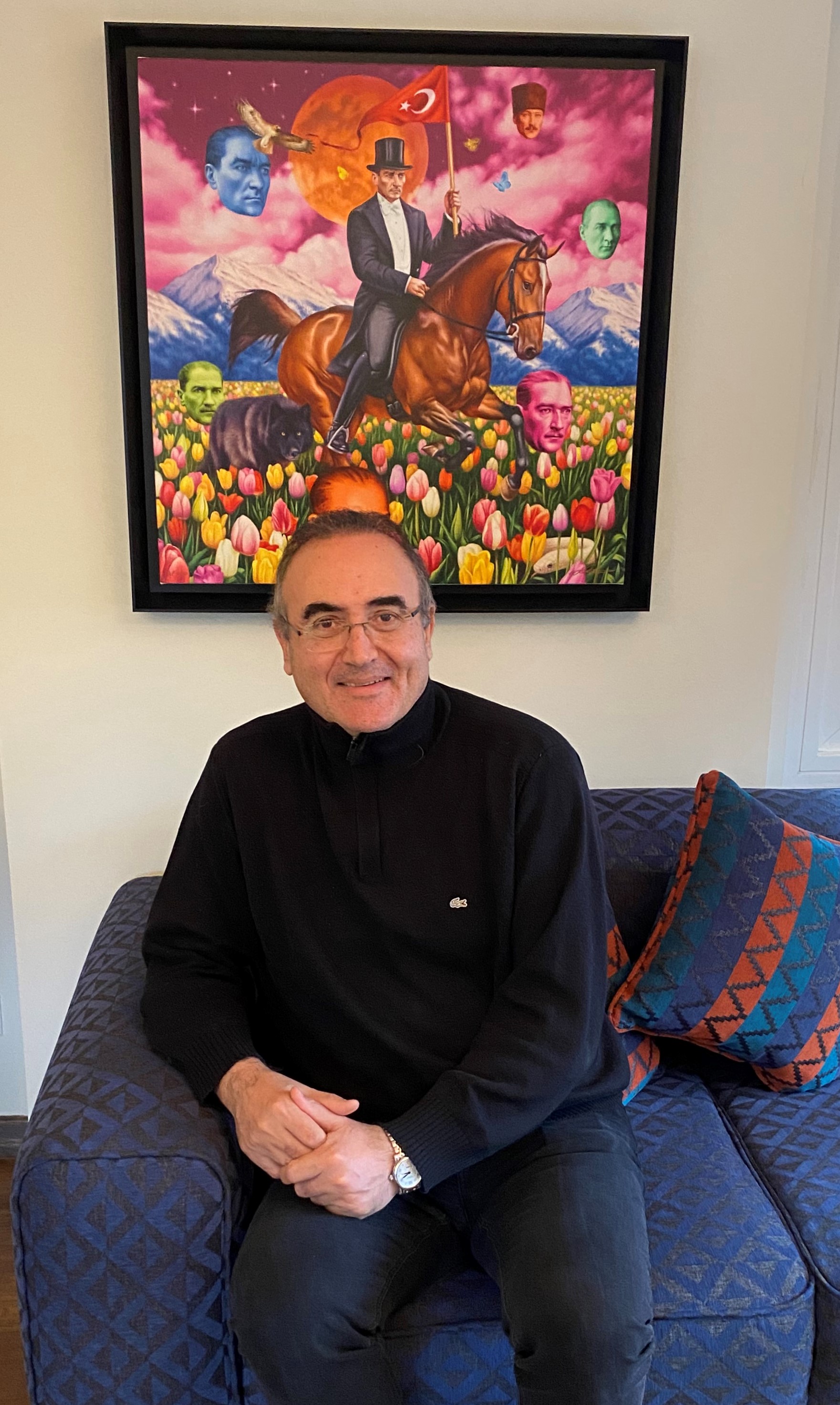
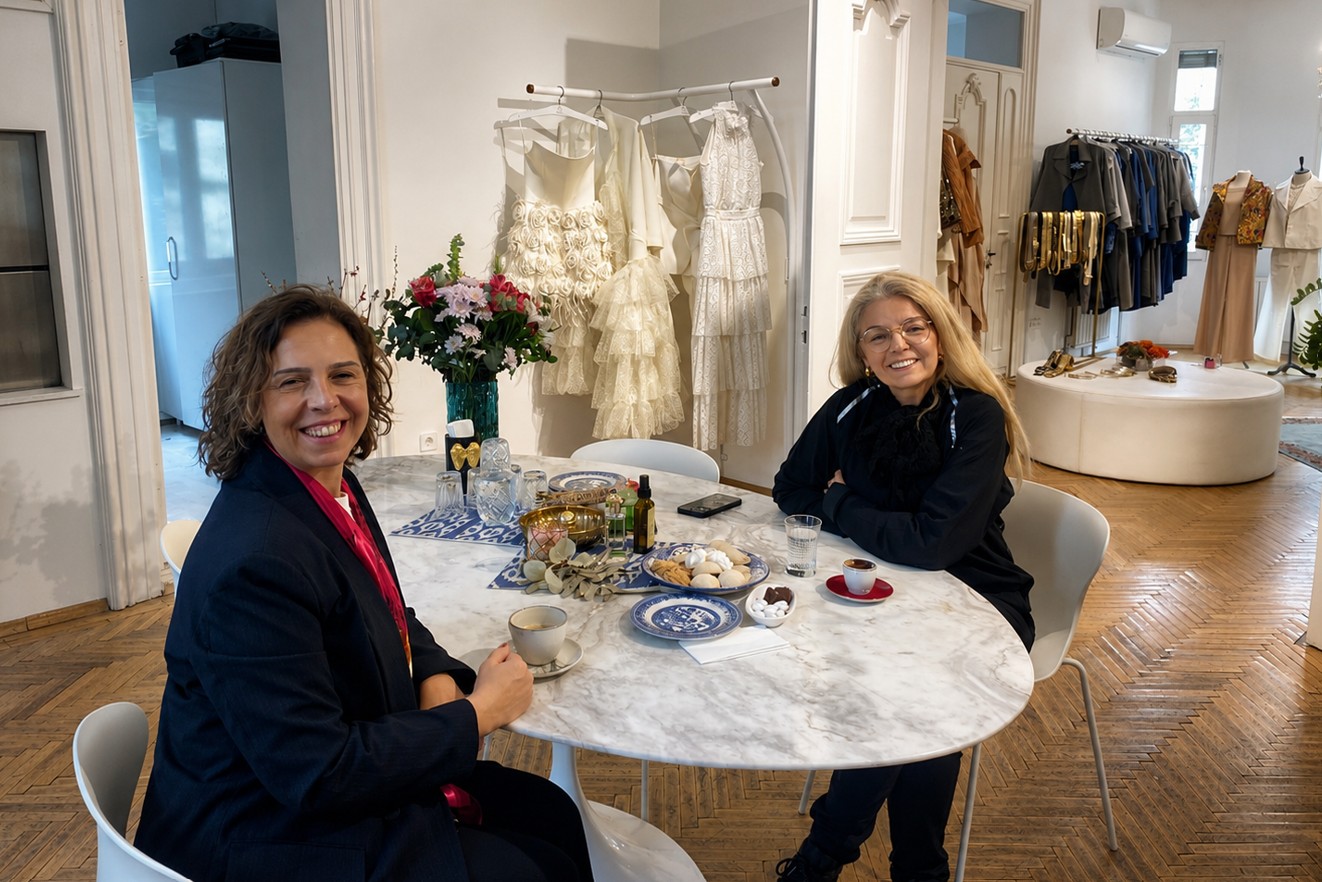
In today’s fashion world, where fabric is regarded as far more than a material and instead as a powerful language of storytelling shaped between emotion, craftsmanship, and design, the intersections between manufacturing culture and creative perspective are becoming increasingly significant. In our interview with Fashion Designer Özlem Süer, one of the most distinguished names in Türkiye’s fashion industry with her original design language and timeless approach to fashion, we explored a wide range of topics spanning the meaning of fabric, sustainability, next-generation technologies, and Türkiye’s strong position in textiles. Let us take a closer look together at the evolving world of fabric, design, and fashion.
First of all, could you tell us a little about yourself?
I am a designer who has spent nearly 35 years both in the fashion industry and in academia. I have always valued my presence in the industry as much as my academic identity, as I believe these two worlds continuously enrich one another. Our brand was officially established in 2003. Over the years, it has evolved into a recognized design house with international visibility and global sales. Within this structure, Ozlem Suer White represents our alternative bridalwear perspective, Ozlem Suer Pret a Couture focuses on occasion and eveningwear, while O-D-A-Y Daily Couture has been positioned as our ready-to-wear sub-brand. We have also developed a strong presence in red carpet costume design.
Could you tell us more about your brand? How was it born, and how has it evolved? What are the signature elements that distinguish Özlem Süer designs?
Today, Özlem Süer represents far more than a fashion brand. It reflects a perspective, a way of thinking, and an aesthetic approach to life. For me, the greatest success lies in allowing women to feel within this brand exactly as they are, rather than as they are expected to be. The fact that my designs are able to evoke the same emotional connection across different geographies, age groups, and body types is, I believe, a reflection of the timeless and inclusive language we have built.
Perhaps what makes me most proud is having positioned fashion not merely as something wearable, but as a space for expression, memory, and freedom. To still be able to create today with the same curiosity and honesty as on the first day… that is what truly matters.
When I look back, what gives me the greatest sense of pride is the consistency with which the brand has sustained its timeless identity. In a world where trends shift rapidly and everything moves at the speed of consumption, building a brand that has chosen to move at its own pace without compromising its identity has been deeply meaningful.
Is fabric, for you, a material or a language of storytelling?
For me, fabric is not simply a material. It is a living narrative interface where data, emotion, and craftsmanship intersect. Design, in turn, is the dialogue established with it.
Does design choose the fabric, or does the fabric shape the design?
Today, this is no longer a matter of choosing one over the other; it is a feedback loop. Design may begin with an intention, but the performance, hand feel, and behaviour of the fabric inevitably reshape the form. In this new-generation approach, the true advantage belongs to processes that are able to integrate the intelligence of fabric into the design algorithm. In other words, design may set the direction, but fabric has the power to redirect it.
If you had to define “good fabric” in three words, what would they be?
Transparent in origin, performance-driven, sensory.
How does a fabric gain brand value?
A fabric gains brand value not simply through technical excellence, but at the point where it begins to create meaning, identity, and trust. Its origin and production process must be transparent. Its quality should be consistent, and its texture and appearance should be distinctive. Yet what ultimately creates real differentiation is the story it carries. The relationship it builds with the designer, the role it plays within a collection, and the emotional impression it leaves on the end user are what transform it from an ordinary material into something recognized, sought after, and remembered.
Have consumers become more sensitive to the story behind fabric?
Today’s consumer is no longer asking only, “How does it look?” Questions such as “Where does it come from?”, “How was it produced?”, and “What purpose does it serve?” have become equally important. The story behind fabric, together with its origin, production journey, and underlying values, has become part of the decision-making process. This shift has transformed fashion from a purely aesthetic choice into a space where ethical and emotional connections are formed.
Do you ever experience moments when a fabric seems to tell you a story?
Absolutely. Some fabrics genuinely speak. The moment you touch them, observe the way they fall, or notice how they interact with light, they begin to suggest the form they wish to become. At that point, design is no longer something you simply draw; it becomes something you discover. A fabric’s memory, texture, and quiet language gradually turn into a story, and you become the person who gives that story visible form.
Which fabric has challenged or excited you the most from an experimental perspective?
The fabrics that have challenged and excited me the most are those that exist somewhere between control and unpredictability. For example, textiles that respond to heat or change form through hand intervention. In these cases, as a designer, you cannot determine everything in advance. The fabric becomes part of the process and, in a way, begins designing alongside you. That uncertainty can be demanding, but it is also incredibly powerful. Because the result becomes less about something planned, and more about something genuinely experienced.
If you could give young designers just one piece of advice when selecting fabric, what would it be?
Rather than selecting the fabric, co-create with it. Let the material’s performance, texture, and story become part of the design algorithm. Because next-generation design is no longer about simply drawing form, it is about allowing the material itself to speak.
Where is the most critical transformation taking place in fabric production today?
The most critical transformation is taking place both within the material itself and in the intelligence behind production. Natural and bio-based fibres, recyclable systems, and low-impact manufacturing techniques are transforming fabric from a passive surface into something traceable, sustainable, and performance-driven. At the same time, digitalization and smart textiles are making production faster, more precise, and increasingly customisable. Fabric is no longer a static material, it is becoming a living design component that interacts with data.
Do you believe sustainability and aesthetics now exist in the same space?
They are no longer separate concepts. They have become two sides of the same design philosophy. Sustainability is no longer simply an ethical preference; it is reshaping the language of aesthetics itself. The natural character of materials, the honesty of surfaces, and the visible trace of production all contribute to a new understanding of beauty. This new aesthetic is more intentional, more refined, and more conscious. It appeals not only to the eye, but also to the conscience.
Why are strong producer–designer collaborations important?
These collaborations create co-creation ecosystems that can rapidly transform ideas into prototypes. Data, material innovation, and craftsmanship come into play simultaneously, creating a synergy that makes design smarter, more sustainable, and more differentiated. What emerges is not simply aesthetic value, but something strategic, scalable, and commercially meaningful.
What does working with a producer with strong fabric expertise bring to your design process?
Working with a producer with deep fabric expertise transforms design from something built around form into something born from the surface itself. The material is no longer simply a carrier, it becomes the starting point of the design. As a result, silhouettes begin to take shape through the intelligence of the fabric, giving the final design a more distinctive, technical, and refined identity.
Which trends will shape the fabric world in 2026?
The next generation of fabrics will continue to be shaped by bio-based and sustainable materials, while strong tactility created through varied textures will become increasingly prominent. Embossed jacquards and three-dimensional surfaces will add greater depth, while advanced production techniques that preserve the feeling of craftsmanship will remain highly relevant. Alongside this, smart textiles will continue to evolve, bringing fashion into a more responsive and interactive space. Fabrics that react to heat, optimise moisture and temperature balance, or even interact with sensor technologies will help define a living, adaptive fashion language.
How are next-generation technologies transforming design? What opportunities and challenges does digitalization create for designers?
Next-generation technologies are doing far more than accelerating design; they are transforming it into a multi-layered experience that exists between the physical and digital worlds, is informed by data, and increasingly interacts with the user. With 3D design, artificial intelligence, and smart textiles, production processes are becoming faster, creativity is expanding, and personalization is becoming far more accessible. At the same time, this transformation presents designers with new pressures, including the demand for constant output, the need for technological fluency, and the growing risk of creative homogenization. For today’s designer, the real challenge lies in using technology as a tool while preserving emotion, craftsmanship, and originality.
Are there any new projects this year that particularly excite you?
Türkiye’s Strength...
What is the most distinctive quality that sets Türkiye apart in fabric production?
What makes Türkiye truly distinctive in fabric production is its ability to carry both a deeply rooted craftsmanship tradition and modern manufacturing capability at the same time. Anatolia’s weaving heritage, knowledge of natural fibres, and rich surface language now coexist with an advanced textile industry, fast production capacity, and technical innovation, creating fabrics that carry both emotional depth and global market readiness. This dual-layered structure, where storytelling craftsmanship meets industrial capability, speed, and high quality, gives Türkiye a uniquely strong position in the world of fabrics.
How can we strengthen the global brand value of Turkish fabrics?
Strengthening the global brand value of Turkish fabrics requires building a stronger identity around more than manufacturing capability alone. Craftsmanship, storytelling, and sustainability all need to become part of that value proposition. Positioning fabric not simply as a product, but as something carrying cultural and emotional meaning, while reinforcing this through designer collaborations, strong presentation, and a premium brand perception, can significantly elevate its international value.
What does “People First” mean to Özlem Süer? For you, is “People First” a value or a responsibility?
For Özlem Süer, “People First” means placing emotion, need, and meaning at the centre of design before aesthetics. A garment should not exist merely to look beautiful; it should make the person wearing it feel good, create a connection, and add value to their life. For me, this goes beyond being a value; it is also a responsibility. Every design leaves a trace on the life of the person it touches.
How do you see the future of fashion through a “People First” perspective?
The future of fashion will be shaped less around products and more around experience, connection, and well-being. Design will become increasingly informed by data and transformed by technology, yet at its core, it will continue to serve human emotion, the body, and the rhythm of everyday life. The future points toward a fashion landscape that is more intentional, more personal, and more responsible, where garments are not simply worn, but genuinely felt, experienced, and valued